
Why Metal Roofing Is a Top Investment for Coastal Homes
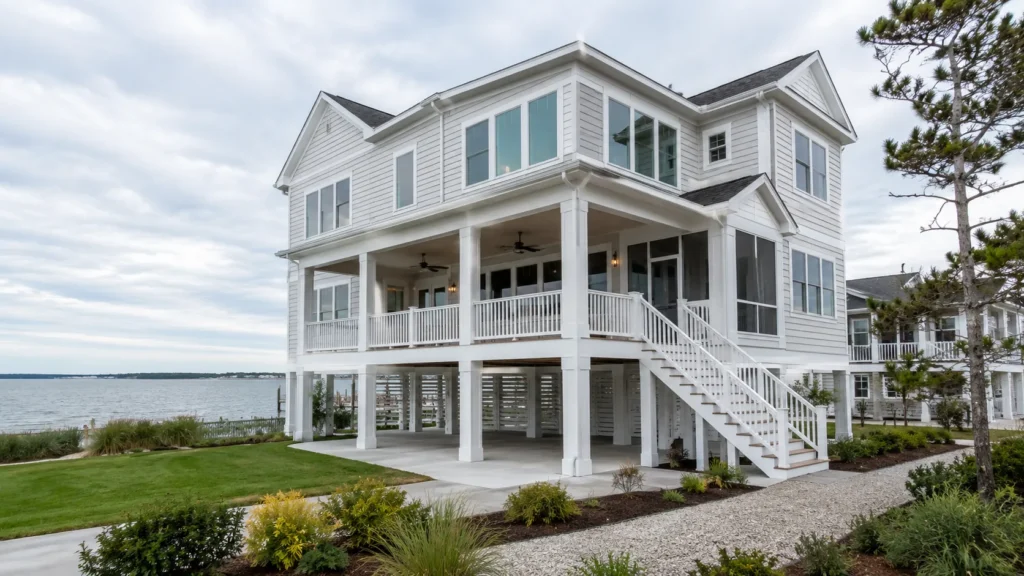
If your home sits anywhere between Ocean City and Lewes, your windows deal with conditions most of the country never sees. Salt air rolling in off the Atlantic, wind loads that spike every nor’easter season, and the occasional tropical system pushing up the coast all put steady pressure on the weakest part of any exterior […]
What Affects the Cost of a New Roof in Maryland & Delaware?
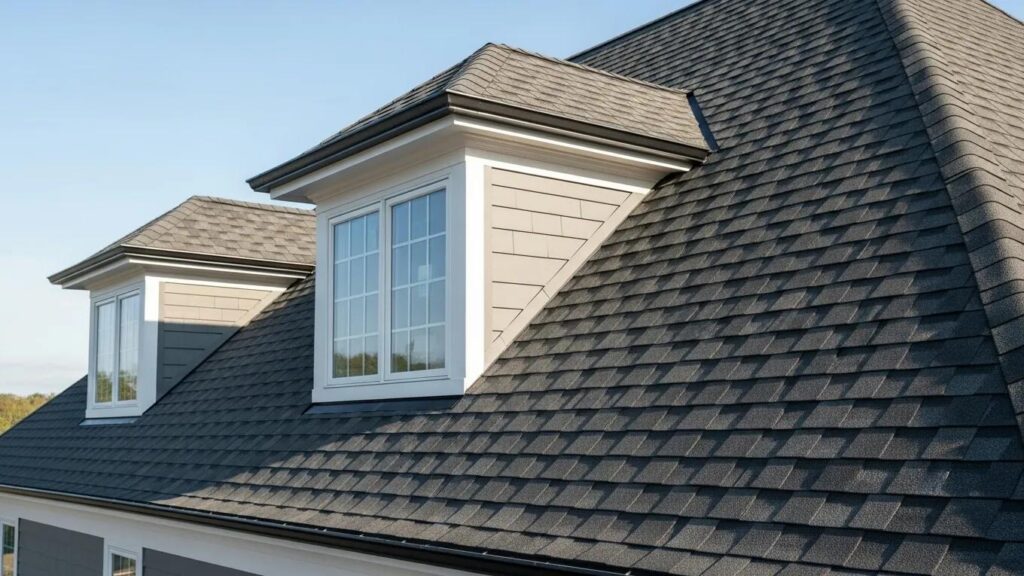
If you’ve ever gotten two roofing quotes and been surprised at how different they looked, you’re not alone. Homeowners across the Eastern Shore deal with this constantly one contractor comes in at one number, another comes in significantly higher, and it’s hard to know what’s actually driving the difference or which estimate is even realistic. […]
5 Signs Your Coastal Roof Needs Repairs Before the Next Storm Hits
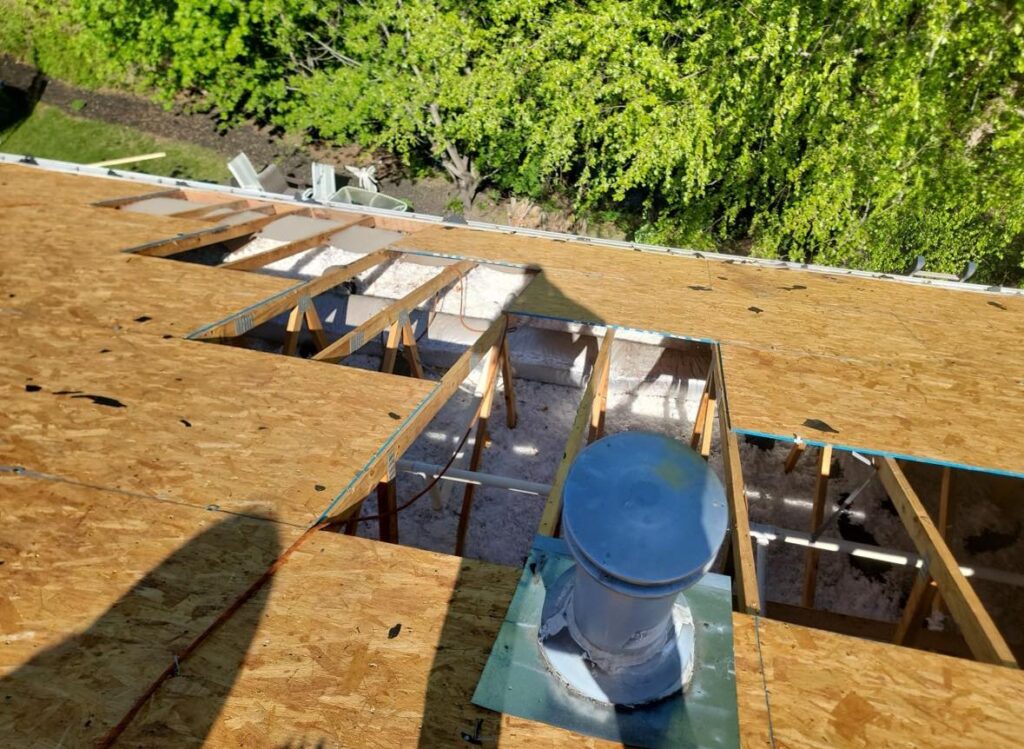
Living in a coastal region like Selbyville, DE, or Ocean City, MD, comes with many perks—breathtaking views, fresh ocean breezes, and beautiful summers. But coastal homes also face unique challenges, especially when it comes to protecting your roof. Salt air, high winds, humidity, and sudden storms can take a toll on even the sturdiest roofing […]
Choosing the Right Siding for Coastal Homes in Delaware and Maryland

Living along the coast comes with stunning views, salty breezes, and a relaxed lifestyle. But it also brings a unique set of challenges for homeowners, especially when it comes to protecting your home’s exterior. The siding on your house does more than just add curb appeal. It shields your home from high humidity, salt air, […]
Why Metal Roofing Is a Smart Investment for Homes in Bethany Beach and Beyond
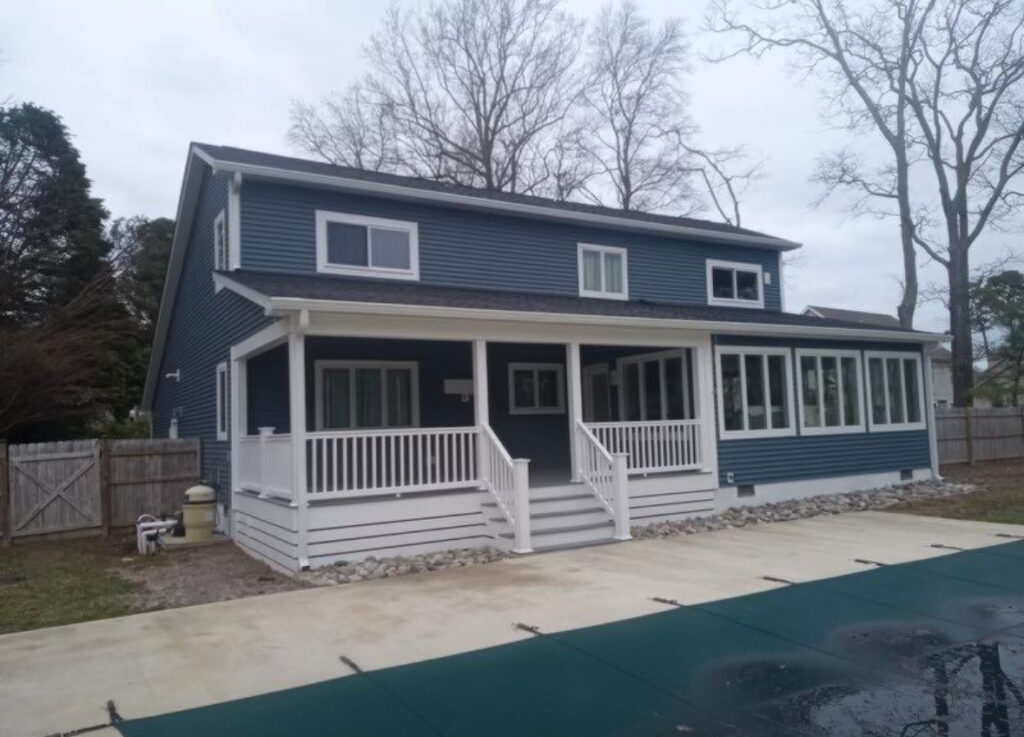
When it comes to protecting your coastal home, roofing isn’t just a necessity, it’s an investment in the long-term value, performance, and aesthetics of your property. In places like Bethany Beach, Selbyville, Lewes, and Ocean City, homeowners face a unique mix of harsh weather conditions: salty sea air, strong coastal winds, heavy rain, and humid […]