
If your home sits anywhere between Ocean City and Lewes, your windows deal with conditions most of the country never sees. Salt air rolling in off the Atlantic, wind loads that spike every nor’easter season, and the occasional tropical system pushing up the coast all put steady pressure on the weakest part of any exterior wall the glass. For homeowners along Route 1 and Route 50, from Berlin to Bethany Beach, hurricane-resistant windows aren’t a luxury upgrade so much as a practical response to where you live. Here’s what actually matters when you’re weighing them.
Why Hurricane-Resistant Windows Matter on the Eastern Shore
The Eastern Shore isn’t Florida, but it’s not inland Maryland either. Ocean City is rated at a 128 mph ultimate design wind speed under the building code’s performance methodology, and the broader Worcester County design standard is built around roughly 120 to 125 mph. Across the state line in Sussex County, Delaware, wind design requirements run anywhere from 105 mph to 140 mph depending on your exact location and how exposed your property is.
Those numbers matter because your windows are almost always the first thing to fail in a high-wind event. Once a window breaks during a storm, wind and water get inside and pressure builds against your roof and walls from within which is how a single broken pane can turn into structural damage. Hurricane-resistant windows are designed to stay intact under exactly those conditions, keeping the building envelope sealed when it counts.
There’s a financial upside beyond protection, too. Many home insurers offer premium discounts for homes with certified impact-resistant windows, since they reduce storm-claim risk it’s worth asking your provider what they offer before you assume the upgrade is purely an expense. Quality hurricane-resistant windows also tend to last 20 to 30 years, so it’s not a decision you’ll be revisiting anytime soon.
Local Factors Coastal Homeowners Should Know
Living within a couple of miles of the Atlantic changes what your windows need to handle. A few local realities worth understanding:
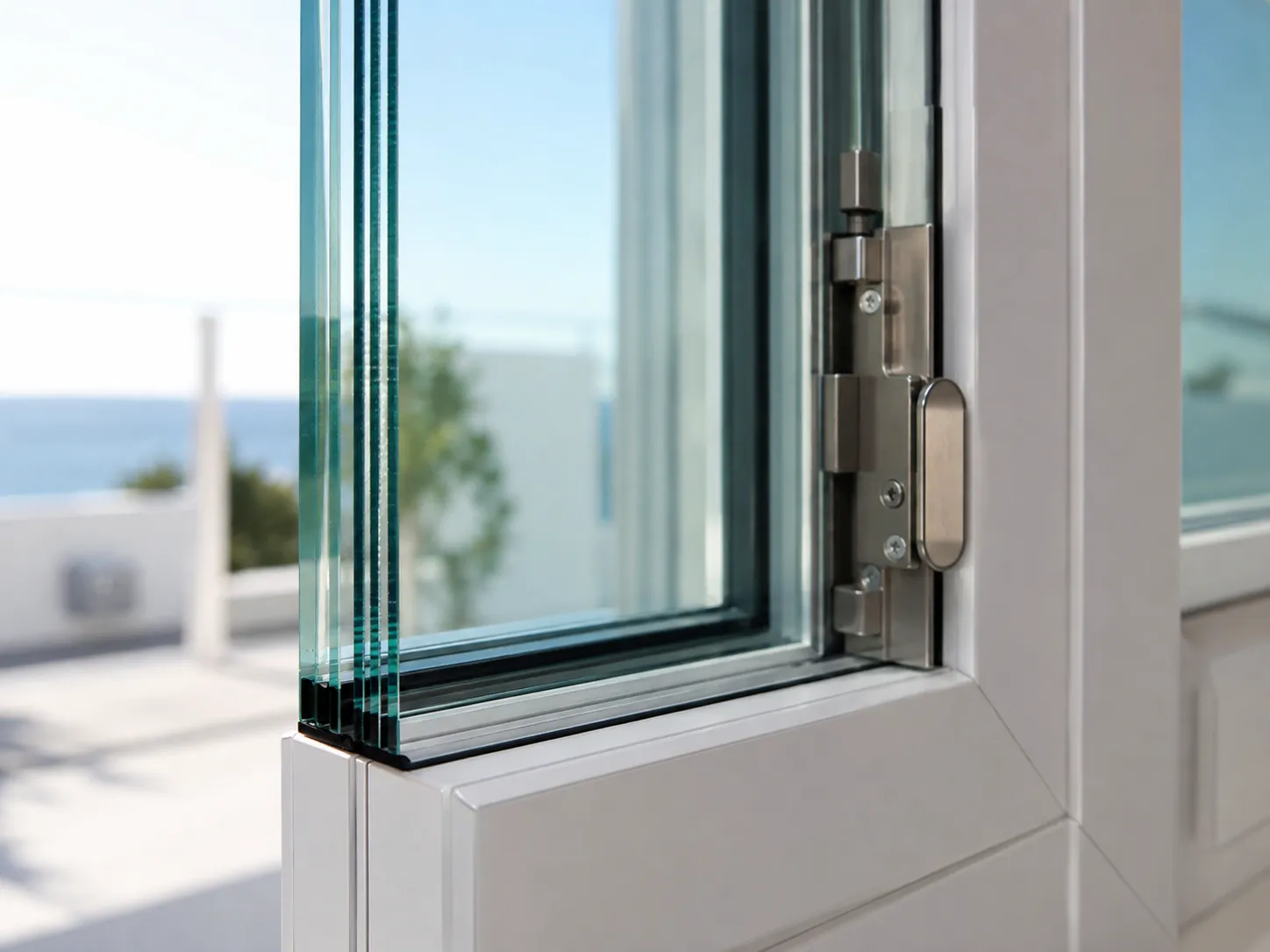
Salt air is relentless. Homes near the water in Ocean View, Bethany Beach, and Rehoboth Beach deal with constant salt exposure that corrodes standard window hardware over time. This is why coastal-grade packages typically use marine-grade, corrosion-resistant hardware rather than standard components.
Wind-borne debris rules aren’t uniform. Here’s a detail a lot of homeowners get wrong: impact-resistant glass isn’t required on every home in Ocean City. Maryland’s updated hurricane mapping actually excludes large parts of the island from the designated “windborne debris region,” where impact glazing is mandatory. Whether your specific home needs impact glass depends on its exact location and flood zone not just the fact that it’s near the beach.
Design pressure ratings tell the real story. For coastal homes, look for windows with a DP50 rating or higher. A DP50 window corresponds to roughly 140 mph and, to earn that certification, has to survive testing at 1.5 times that speed. Beach-zone homes within about two miles of the Atlantic are the ones that most often benefit from these coastal-rated packages.
Watch out for Florida-grade marketing. You’ll see some companies advertise windows rated to “200 MPH, Miami-Dade standard.” Those are real products, but that rating is built for South Florida’s hurricane zone not the Eastern Shore. Ocean City and Sussex County simply don’t sit in a 200 mph wind zone, so paying a premium for Miami-Dade-level glass often means over-buying for our conditions. A properly rated DP50+ coastal window matched to your actual location and flood zone is usually the smarter, better-value choice here.
Common Window Issues in Ocean City, Berlin, and Nearby Communities
Homeowners across our service area tend to run into a predictable set of problems, especially in older coastal properties:
- Corroded or failing hardware from years of salt exposure, making windows hard to open, close, or lock securely
- Seal failure and foggy glass, where moisture works its way between panes accelerated by the humidity and temperature swings common near the coast
- Rattling or drafty windows that let conditioned air escape, driving up summer cooling bills in homes from Salisbury to Ocean Pines
- Storm and wind damage to older single-pane or builder-grade windows that were never rated for coastal wind loads in the first place
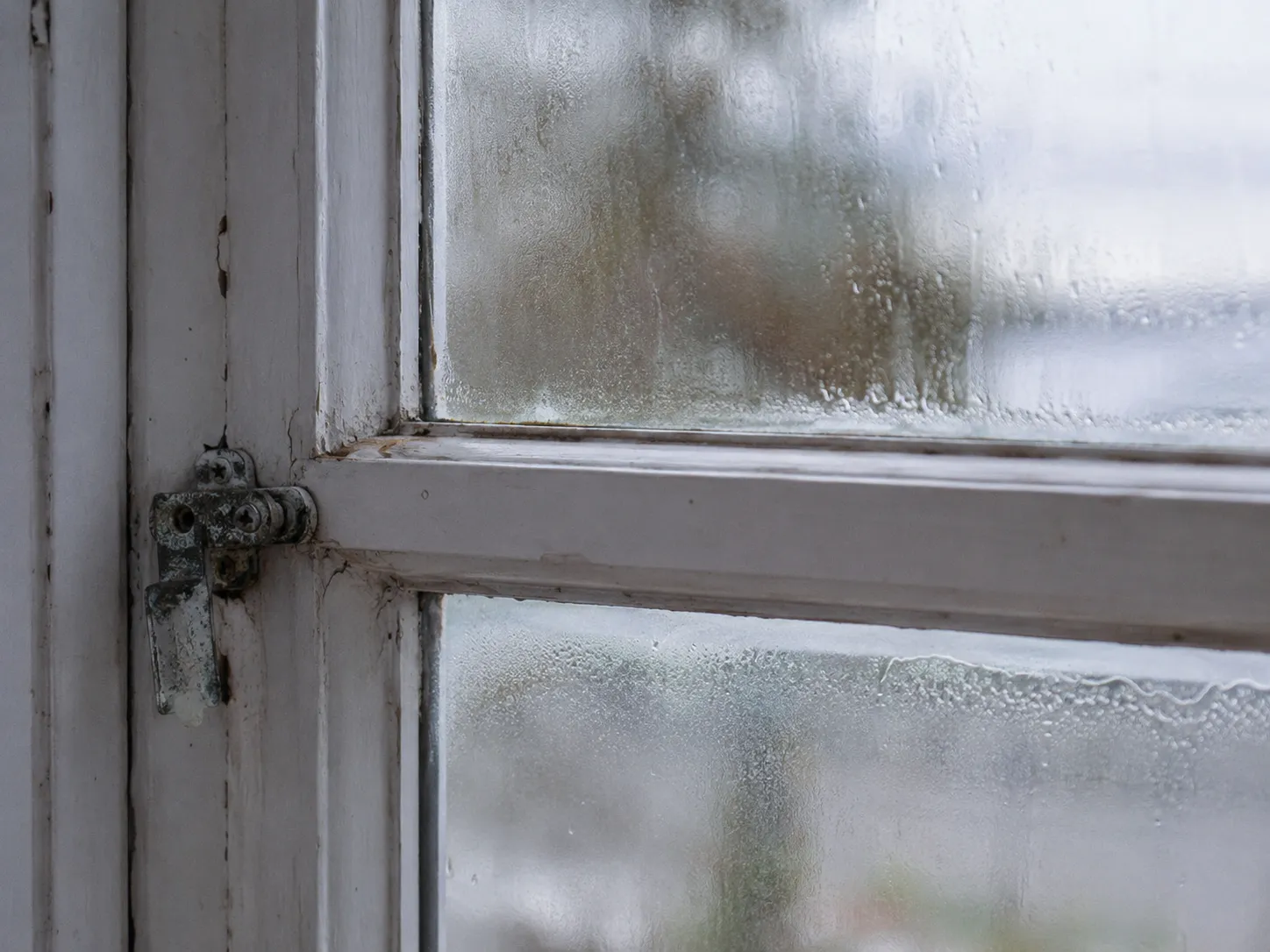
If you’re seeing any of these, it’s often a sign your windows are past the point of upgrading to something built for the conditions here. Windows aren’t the only part of your home that takes a beating from coastal storms, either our guide on signs your coastal roof needs repairs before the next storm is worth a read if you’re doing a broader storm-season check.
Permits and Local Requirements in Maryland and Delaware
Window replacement is a regulated activity in both states, and the requirements differ depending on which side of the line you’re on.
In Maryland (Worcester County): A like-for-like window replacement in the same opening usually doesn’t require a permit, but changing the opening size or making structural modifications does. If your property sits in a Special Flood Hazard Area, the Worcester County Floodplain Management Code (BR 2-301) applies additional construction requirements. Permitting is handled through the Worcester County Government Center in Snow Hill.
In Delaware (Sussex County): Requirements are stricter all window replacements in unincorporated Sussex County and its municipalities require a building permit and must comply with Chapter 52 of the Sussex County Code. Permits are handled through the county office in Georgetown. On top of that, many beach communities think Bethany Beach, Rehoboth Beach, and HOA-governed areas have their own architectural review requirements you’ll need to clear before work begins.
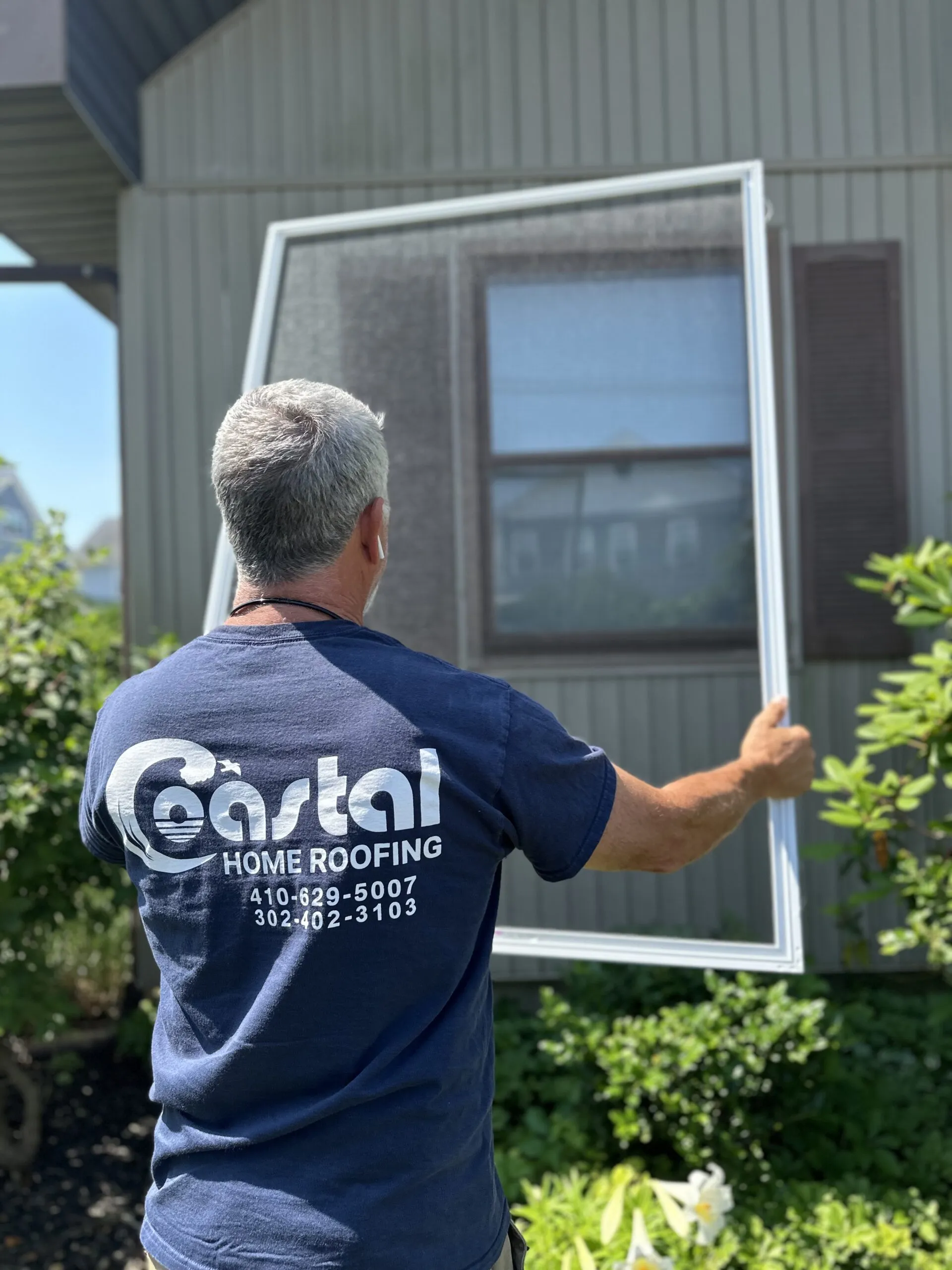
A good local contractor handles all of this for you: pulling permits, meeting flood-zone requirements, and coordinating any HOA or architectural review. If a contractor doesn’t mention permits at all, that’s a red flag.
How to Choose the Right Window Contractor for a Coastal Home
Not every window installer understands coastal conditions, and it makes a real difference. When you’re comparing contractors along the Eastern Shore, look for:
- Local experience with coastal installs specifically — salt air, flood zones, and wind ratings call for different products and techniques than a standard inland job
- Familiarity with both Maryland and Delaware permitting — the rules genuinely differ across the state line, and a contractor working both sides should know that cold
- Proper coastal-grade product knowledge — they should be able to talk through DP ratings, impact glass, and marine-grade hardware without hand-waving
- Licensed and insured — non-negotiable, and it protects you if anything goes wrong during the project
- A clear, written estimate — with materials, labor, and any permit responsibilities spelled out before work starts
Why Eastern Shore Homeowners Choose Coastal Home Roofing & Siding
Coastal Home Roofing & Siding is a veteran-owned business based in Bishopville, MD, with over 30 years of experience working on homes along this exact stretch of coastline. We serve homeowners across the region from Selbyville, Millsboro, and Ocean View in Delaware, through Bethany Beach, Rehoboth Beach, and Lewes, over to Bishopville, Berlin, Ocean Pines, Ocean City, and Salisbury in Maryland.
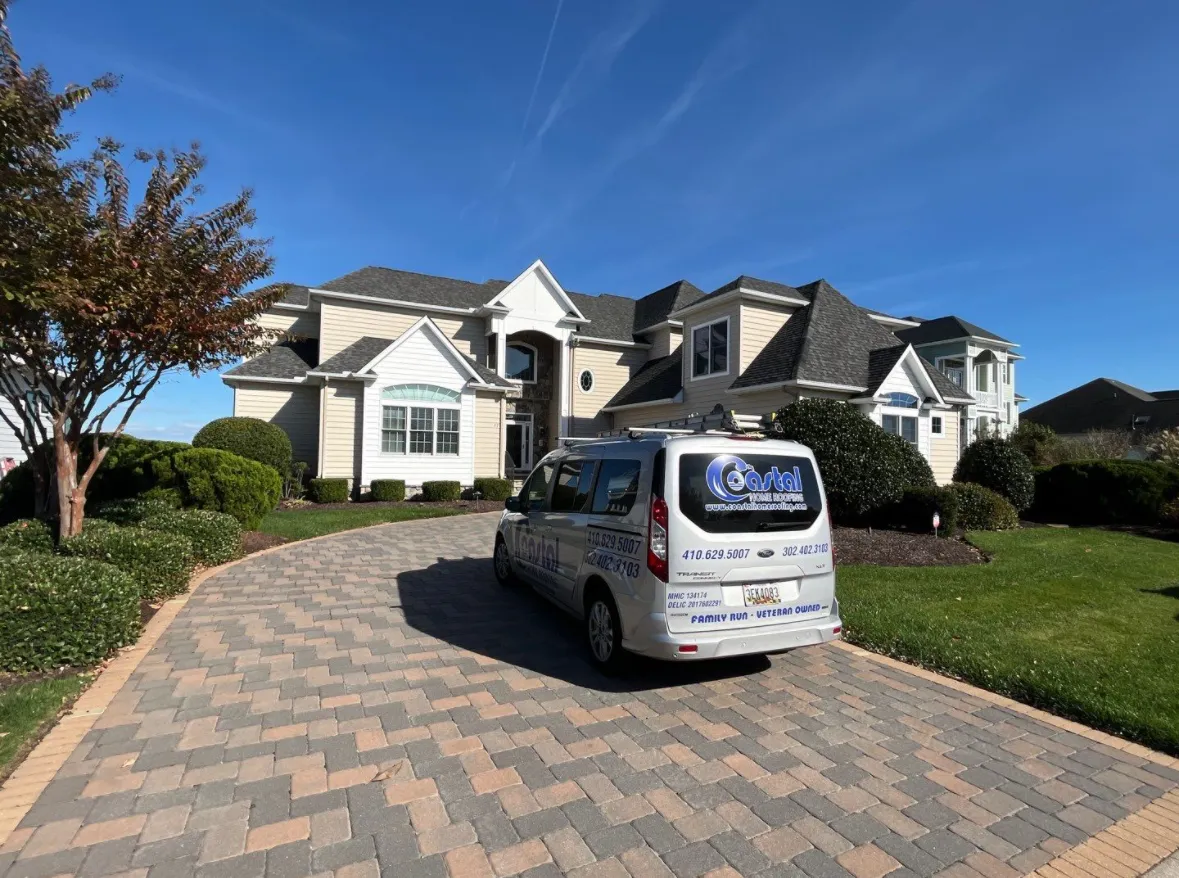
That local footprint matters. We know the difference between a Worcester County flood-zone job and a Sussex County beach-community install, and we handle the permitting and review process on both sides of the line. You can learn more about our window installation and replacement services to see the full range of what we offer. We also never ask for a deposit you pay only once the work is complete and you’re fully satisfied and our window inspections and estimates are always free.
Frequently Asked Questions
Do I need impact-resistant windows in Ocean City, MD?
It depends on your home’s exact location and flood zone. Maryland’s hurricane mapping excludes large parts of Ocean City from the “windborne debris region” where impact glass is required by code. Homes closest to the water or in Special Flood Hazard Areas are more likely to need them. A local contractor can confirm what applies to your specific address.
What wind speed should coastal windows on the Eastern Shore be rated for?
Ocean City is designed around a 128 mph wind speed, Worcester County around 120–125 mph, and Sussex County anywhere from 105 to 140 mph depending on location. For most coastal homes here, a window with a DP50 rating (roughly 140 mph) or higher provides appropriate protection without over-buying.
Do hurricane-resistant windows lower my home insurance?
Often, yes. Many insurers offer premium discounts for certified impact-resistant windows because they reduce storm-claim risk. The exact discount varies by provider, so it’s worth asking your insurer directly what they offer before you buy.
Do I need a permit to replace windows in Maryland or Delaware?
In Sussex County, DE, all window replacements require a building permit under Chapter 52 of the county code. In Worcester County, MD, like-for-like replacements usually don’t require a permit, but changing the opening size or working in a flood zone does. A good contractor handles permitting for you either way.
How long do hurricane-resistant windows last?
With proper installation and maintenance, quality hurricane-resistant windows typically last 20 to 30 years. Coastal conditions like salt air can affect hardware over time, which is why marine-grade, corrosion-resistant components matter for homes near the water.
Are “200 MPH Miami-Dade” windows worth it on the Eastern Shore?
Usually not. Miami-Dade-rated windows are built for South Florida’s hurricane zone, which is far more severe than conditions here. Ocean City and Sussex County don’t sit in a 200 mph wind zone, so a properly rated DP50+ coastal window matched to your location typically offers better value.
Ready to Protect Your Home Before the Next Storm?
If you’re anywhere along the Eastern Shore and your windows are aging, drafty, or simply weren’t built for coastal conditions, now before the next storm season is the time to look at your options. Coastal Home Roofing & Siding offers free, no-obligation window consultations and estimates for homeowners throughout Maryland and Delaware, with zero deposit required.
Call 410-629-5007 (MD) or 302-402-3103 (DE) to schedule your free window consultation no deposit, no pressure, just straight answers about what your home actually needs.